Found a bird? 707-484-6502 Fall/Winter 9 am to 4 pm, closed Sunday & Monday

YOU FOUND A BABY BIRD. NOW WHAT?
To rescue or not to rescue? That is an excellent question!
Baby birds go through many stages of growth and development before they become independent and no longer require the care of their parents. To help you determine if a baby needs take a look at some of the critical stages of development for baby songbirds and
Site Content
Baby Bird

Announce coming events
Having a big sale, on-site celebrity, or other event? Be sure to announce it so everybody knows and gets excited about it.
Display real testimonials
Display real testimonials
Are your customers raving about you on social media? Share their great stories to help turn potential customers into loyal ones.
Promote current deals
Promote current deals
Display real testimonials
Running a holiday sale or weekly special? Definitely promote it here to get customers excited about getting a sweet deal.
Share the big news
Promote current deals
Share the big news
Have you opened a new location, redesigned your shop, or added a new product or service? Don't keep it to yourself, let folks know.
Display their FAQs
Promote current deals
Share the big news
Customers have questions, you have answers. Display the most frequently asked questions, so everybody benefits.
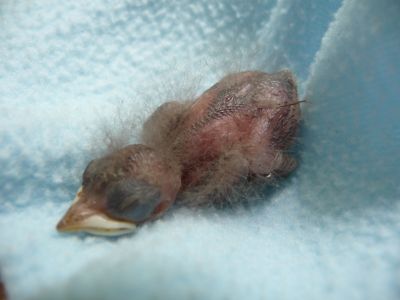
Hatchling songbirds
Hatchling songbirds are naked, featherless, and helpless; their eyes are closed during the first few days of life. These birds are 0-3 days old and will be in the nest, not on the ground. Typically, the female parent will brood the babies to keep them warm because at this age, baby songbirds are not able to thermoregulate (maintain their body heat). Parents deliver food to their babies at regular intervals throughout the day, approximately every 15 minutes from sunrise to sunset. At this stage they will quickly die of hypothermia and starvation without parental care.
Nestling Songbirds
Nestling songbirds are still nest-bound and very dependent on their parents for care. Their eyes are open and they are vocal. Older nestling are preening (grooming) themselves and beginning to exercise their wings. In general, young nestling songbirds have pin feathers (feathers which are just developing and still covered in a keratin sheath) and older nestlings have mostly feathered bodies, but are still growing in their tail and wing feathers.
The length of the nestling stage varies from species to species, Many common backyard birds, such as mockingbirds, robins, and towhees SWALLOWS, swifts, cavity-nesting species and others remain in the nest until they are approximately 20 days of age. Nature’s plan for baby songbirds is for them to grow quickly so they can leave their nest quickly. As prey species, the longer they’re in the nest, the more vulnerable they are to predators.

Fledgling Songbirds
This is the stage of development that we receive the most calls about during the baby bird season. It is important to know that most songbirds leave the nest BEFORE they’re able to fly. In much the same way human toddlers must crawl before they can run, songbirds hop and walk around a few days before they’re able to fly. The only exceptions to this are SWALLOWS and SWIFTS – these birds are fully feathered AND flight capable when they are ready to leave the nest on their own. Fledgling swallows and swifts that cannot fly must be rescued. There are also a number of cavity-nesting species which are also flight when they fledge the nest.
The majority of fledgling songbirds are well feathered on their body with short wing and tail feathers; they’re able to stand, walk and hop; they may be able to make short flights from branch to branch or from the ground up to low branches; and they are vocal and still dependent on their parents for care. During this stage they are commonly observed on the ground, out in the open, on branches and in bushes - all over the place!
Although the parents may not be with their fledgling every second of the day, they remain in
vocal contact at all times. Additionally, the location where you observed the baby is the parents' territory, so they are always nearby. It will take a few days to more than a week before fledgling songbirds can fly well enough to attempt to keep up with their parents and evade danger. They are vulnerable and naïve at this stage of their development. If you have outdoor cats, the kindest thing you can do for the birds is keep your cats indoors. Remember, keeping cats indoors is safer for wildlife AND cats.